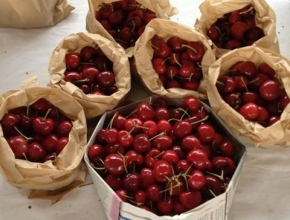
Portsea Camp - 7 to 9 October 2016 - we are doing painting and gardening so bring appropriate clothing. Stephen will meet those going down on Friday night
MIM brochures are available for distribution to clubs. A4 size brochures are being printed
We need your preloved eye glasses and sunglasses - please canvass friend/family - give to Len B
Social media workshops on 14 and 15 October
Open Garden weekend on 22 and 23 October 2016 - further info contact Ian S
Speaker was Gina Tsao
Gina told us about her trip to Tibet and Everest Base Camp
she went from Beijing to Lhasa on the train. It was a 3,700 km journey with 17 stops and takes 41 hours.
The track took 17 years to build and cost 4.2 billion US
She said it was a very spiritual journey - Lhasa is a very religious city and they donate a lot to the temples
She showed photos of the House of Buddha (Jokhang Temple), The Holy Lake and Everest National Park.
The air is very thin and some people become quite ill from altitude sickness.
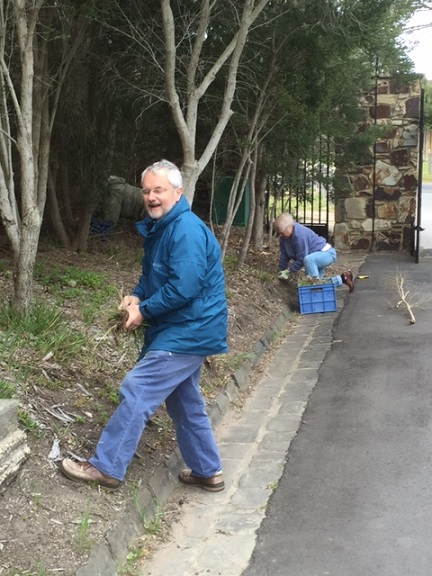
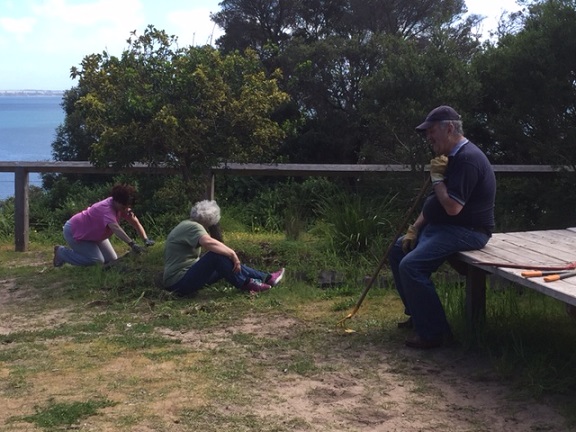
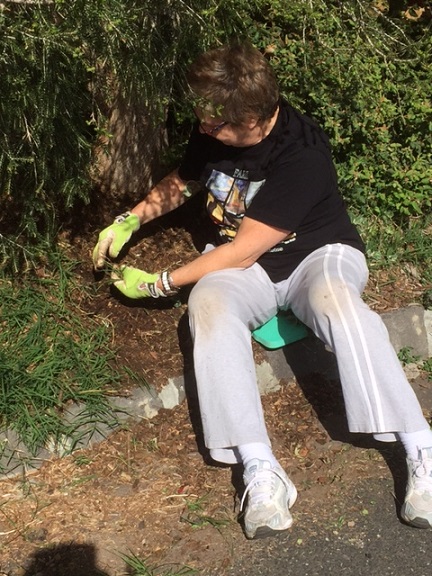
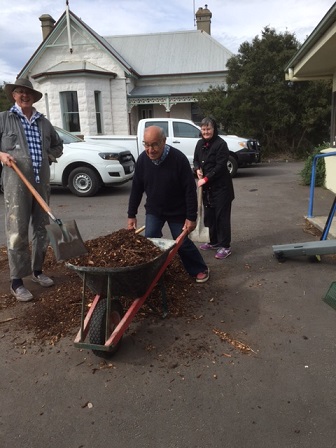
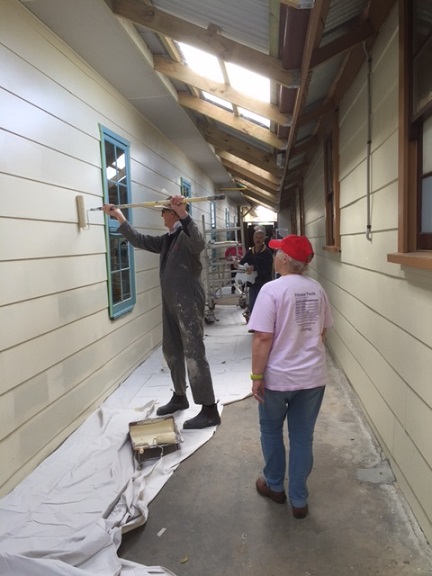
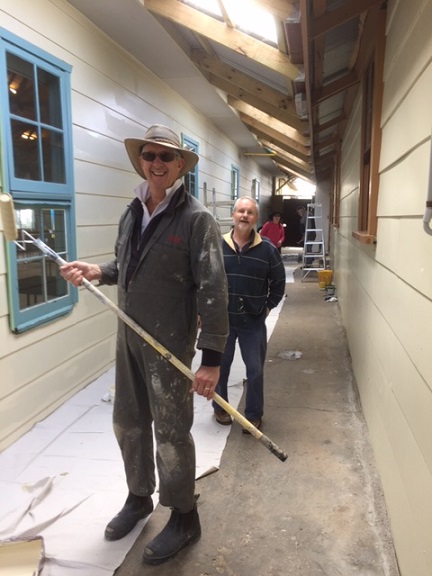
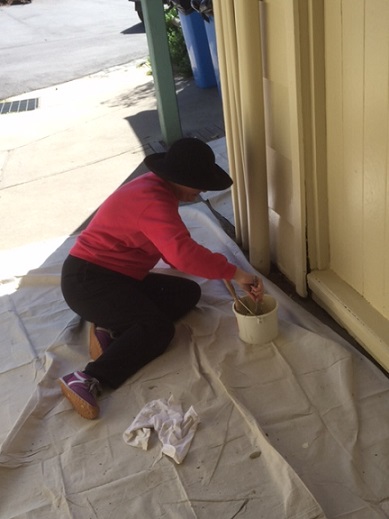
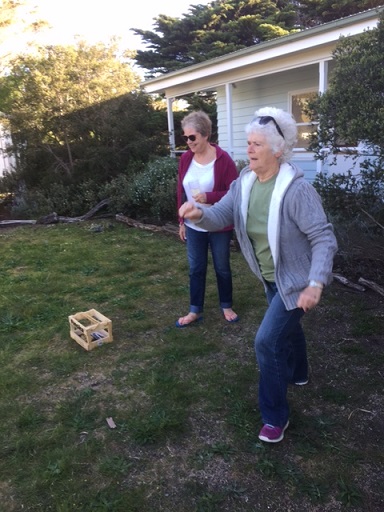
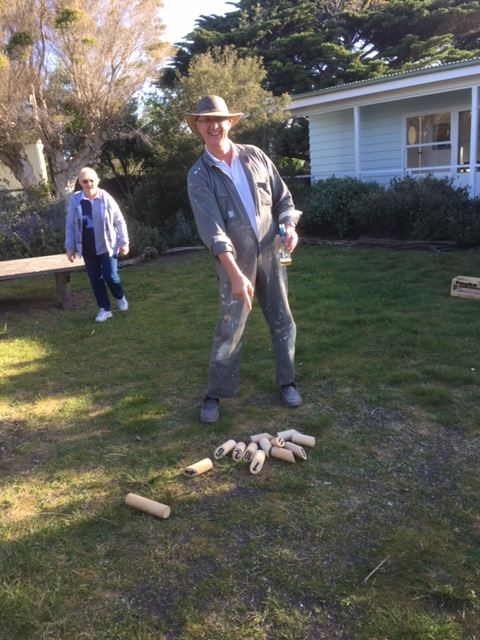
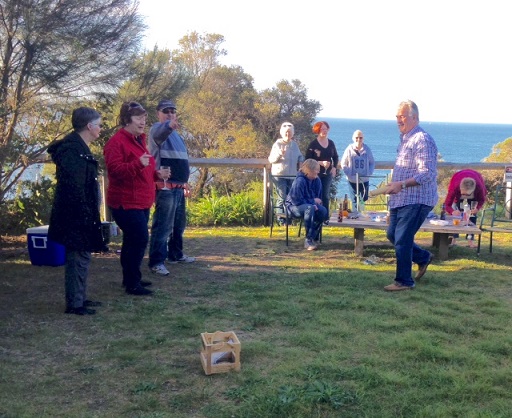
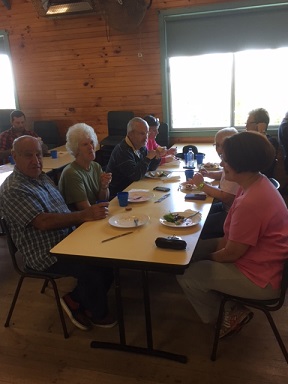
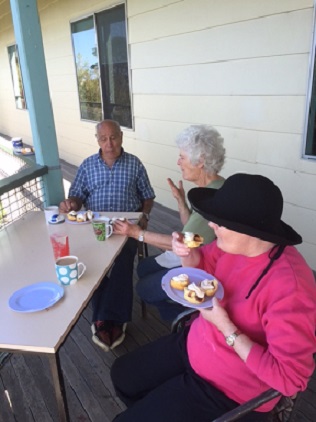
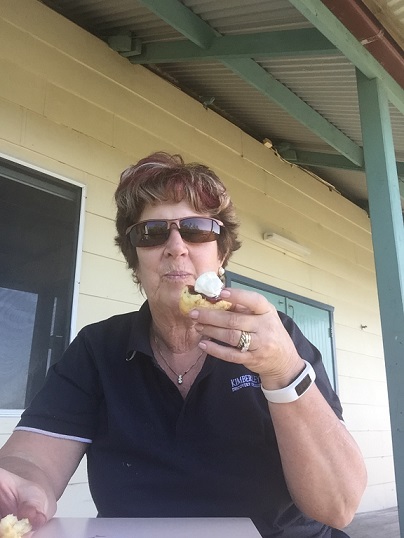
Around a dozen RC of Nunawading members and partners spent the past weekend at the wonderful Portsea Camp. We did a lot of painting and gardening, singing and socialising with members of Mt Martha, Pakenham, Sale and Huntingdale Rotary Clubs and the camp staff.
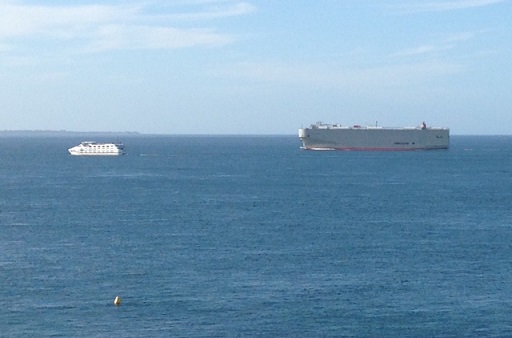
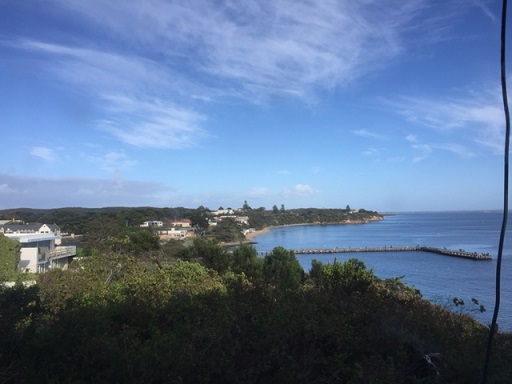
Below are some photos courtesy of Sue W and Phil M.
Further to our discussions last Saturday I am pleased to confirm I have deposited $859.80 into the Australian Rotary Health Bank Account representing the proceeds collected by Members of the Rotary Club of Nunawading on behalf of the Lift the Lid Appeal last Friday.
Would you be good enough to pass on to the Members of your Club our thanks for their outstanding efforts in collecting such an amazing amount on behalf of mental health research.
For your information I have also notified ARH in Sydney of your Club’s individual contribution and, as originally agreed, this amount will be credited to your Club’s donations to ARH for the current Rotary year.
This August, on the day that was to mark two years since the last case of wild polio in Africa, the Nigerian Government reported that two children had been paralysed by the disease in the country’s Borno state. As the Global Polio Eradication Initiative worked with governments in the region to immediately launch an emergency outbreak response, other areas of the world continued their efforts to end polio for good.
The hidden risks of polio transmission in Africa
As Nigeria reports its first wild poliovirus cases in two years, the risk of an ongoing vaccine-derived strain remains in Guinea.
Much attention has rightly been given to the recent detection of wild poliovirus type 1 (WPV1) cases in Nigeria, the first reported from the African continent in more than two years. The announcement of these cases came on the eve of Africa’s ‘two year’ anniversary without polio. But even without detection of these cases, the risk of an ongoing circulating vaccine-derived poliovirus strain type 2 (cVDPV2) had also remained, in Guinea.
Guinea has been affected by a cVDPV2 outbreak, centred around the country’s Kankan region, since 2014. While no new cases have been reported since December last year, remaining subnational surveillance gaps in the region mean that undetected circulation cannot be ruled out.
Guinea has made strong improvements both to its population vaccination/immunity levels – which had been decimated as a result of the Ebola crisis – and surveillance sensitivity over the past year. An official outbreak response assessment found profound and significant improvements across the country. Despite these improvements, however, gaps both in vaccination coverage and surveillance remain which must be filled, before it can be definitively concluded that the outbreak has been stopped.
Worryingly, as many as 20% of children in Kankan remain under-immunised and therefore vulnerable to diseases such as polio. Of additional concern is that neighbouring countries, in particular those which had also been affected by Ebola, also have significant immunity gaps in key areas. In Liberia for example, in some areas as many as half the children are not fully protected against polio.
This should be cause for concern and a need for urgent action, particularly given the risk of undetected circulation of the cVDPV2 in the region, and now with the detection of WPV1 in Nigeria. Historically, WPV1 from northern Nigeria has repeatedly spread to re-infect countries across west Africa.
The risk of persistent subnational gaps – both in surveillance and population immunity – was highlighted and underscored at the recent Africa Regional Certification Commission meeting, not just in west Africa, but indeed across west, central and the Horn of Africa. Despite tremendous progress achieved across the African continent towards polio eradication, detection of recent viruses and persistent surveillance and immunity gaps are a stark reminder that more must be done to secure a lasting polio-free Africa once and for all.
The following are members of the Board in 2017/2018:
President: Phil Maxwell
Secretary: Judith Eadon
2nd Year Directors: Lesley Arnolda, James Tan, Gabby Knaepple
The Nominating Committee nominates the following members for the vacancies on the Board for 2017/2018:
Treasurer: Russell Warmington
1st Year Directors: Ian Armstrong, Bob Davis, Susan Cross
Minute Secretary: ………………………..…….. (as selected by President 18/19)
President Elect:
(President for 2018/2019): Janette Etherington
Any further nominations should be sent to Secretary Sue Warmington by the next meeting. The nominations will be confirmed at our Annual General Meeting or, if necessary, a vote will be conducted.









 This August, on the day that was to mark two years since the last case of wild polio in Africa, the Nigerian Government reported that two children had been paralysed by the disease in the country’s Borno state. As the Global Polio Eradication Initiative worked with governments in the region to immediately launch an emergency outbreak response, other areas of the world continued their efforts to end polio for good.
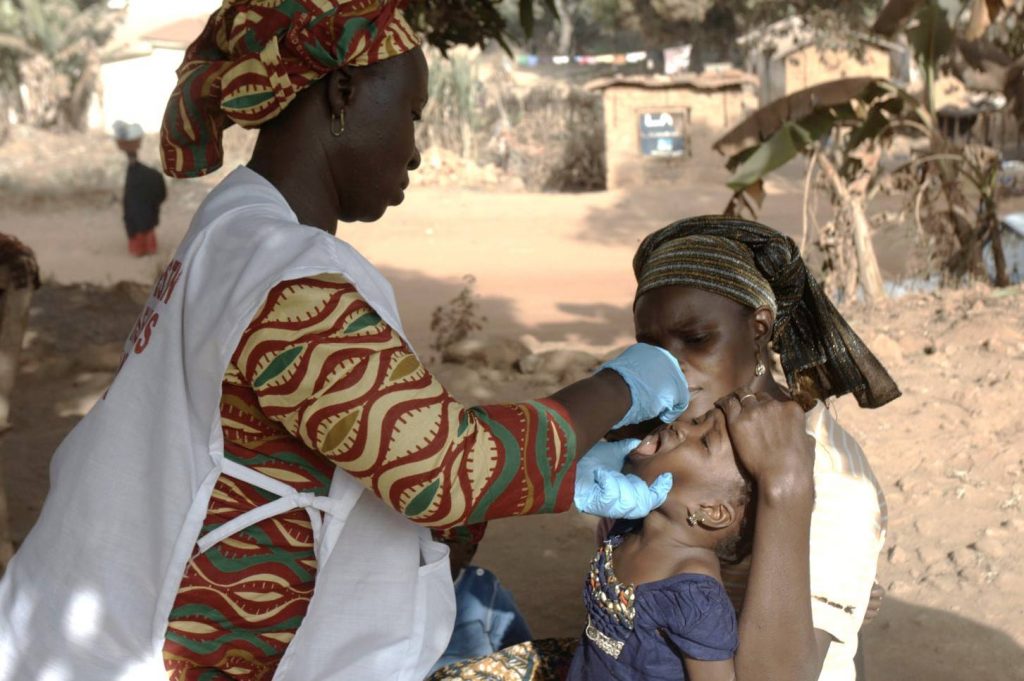 Much attention has rightly been given to the recent detection of wild poliovirus type 1 (WPV1) cases in Nigeria, the first reported from the African continent in more than two years. The announcement of these cases came on the eve of Africa’s ‘two year’ anniversary without polio. But even without detection of these cases, the risk of an ongoing circulating vaccine-derived poliovirus strain type 2 (cVDPV2) had also remained, in Guinea.