At the District Conference in Bendigo two weeks ago, Professor Eoin Killackey told us of his research that has led to positive outcomes in reducing youth suicide. A key result of his research was the realisation that the lack of “work” was a contributor to poor mental health outcomes. By gaining regular employment, persons with mental health issues fared much better than those without work. Instead of work equalling stress, in fact work REDUCED stress.
PDG Cathy Roth talked about the effect of an Alzheimer’s diagnosis on professionals and especially her husband. He had to give up his teaching and surgical position at a major hospital when diagnosed with the disease. She started PALZ, Professionals with Alzheimer’s, who meets regularly and offers an outlet and connections for the affected professionals and their carers.
The common thread here is our need to be connected, to be valued and to be stimulated to a level that matches our intellectual, professional and spiritual aspirations.
So how does Rotary help us with our mental health?
Firstly, Rotary is an organisation that attracts people with strong social justice ethics. Generally, these people have become successful professionals in their chosen vocation. We crave mental stimulation, not banal reality TV.
Secondly Rotarians choose to get together regularly and share their experiences and concerns - sort of like speed dating psychology. Associating with people who understand our work or home dilemmas helps us resolve these issues in a safe environment.
Thirdly Rotarians think of others who are less fortunate than themselves and they work to bring equality of opportunity to these people. In my time in Rotary I have NEVER heard a Rotarian describe those in need in a disparaging way. By helping others, we gain perspective in our life and realise that we have a lot to be grateful for.
Fourthly Rotarians care about the welfare of each other. During my recent illness, I was delighted to receive calls and to be kept involved in Club issues. This contact helped me cope with some dark days when the treatment seemed to be never-ending and positivity was hard to find. Other Members in different but difficult medical situations have expressed to me the pleasure of that phone call and of being asked “How are you going?”. We undervalue this network that connects us to each other. It helps sustain our mental health while the emotionally distant health professionals deal with our physical ailments.
So, Rotary stimulates our intellect, helps us download and process life issues, gives us perspective and provides mental support in times of illness and grief. That is why Rotary is an essential part of my mental health plan.




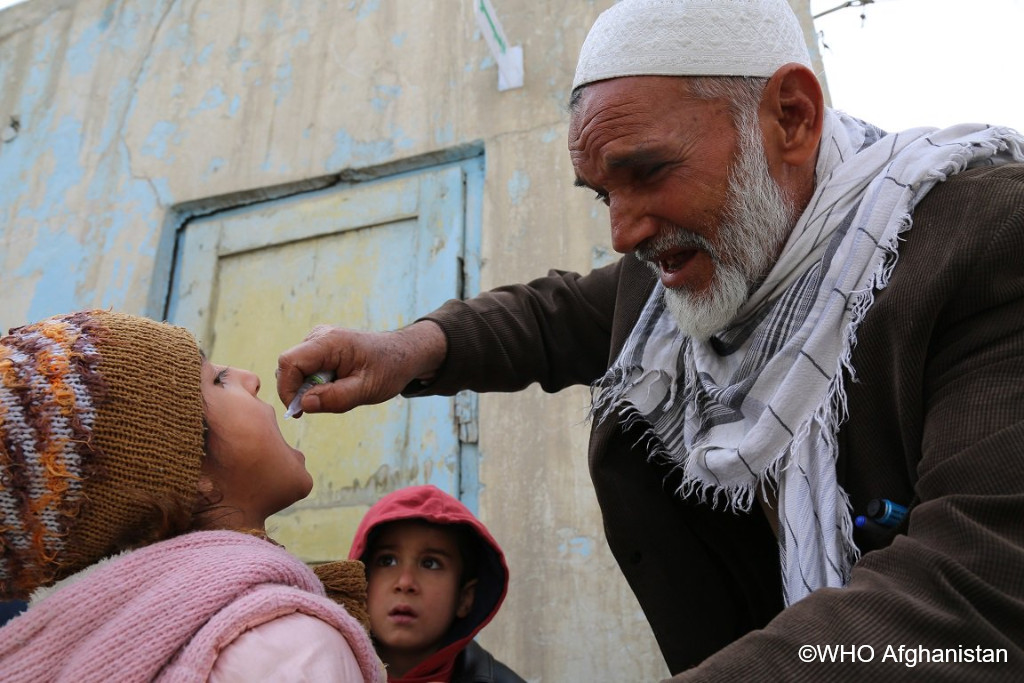 Bakshandi works as a guard in a Kabul health clinic, but vaccinates children voluntarily during