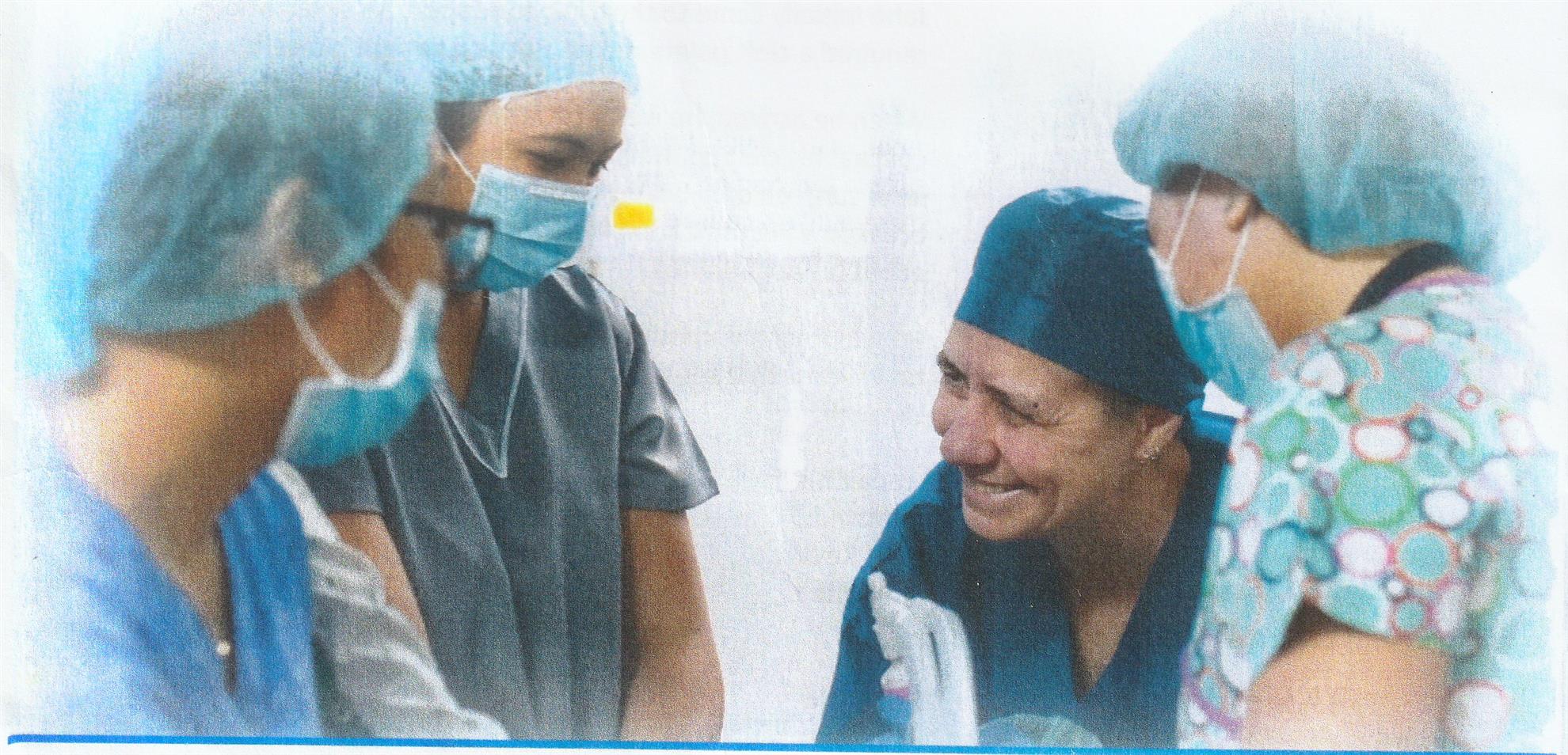
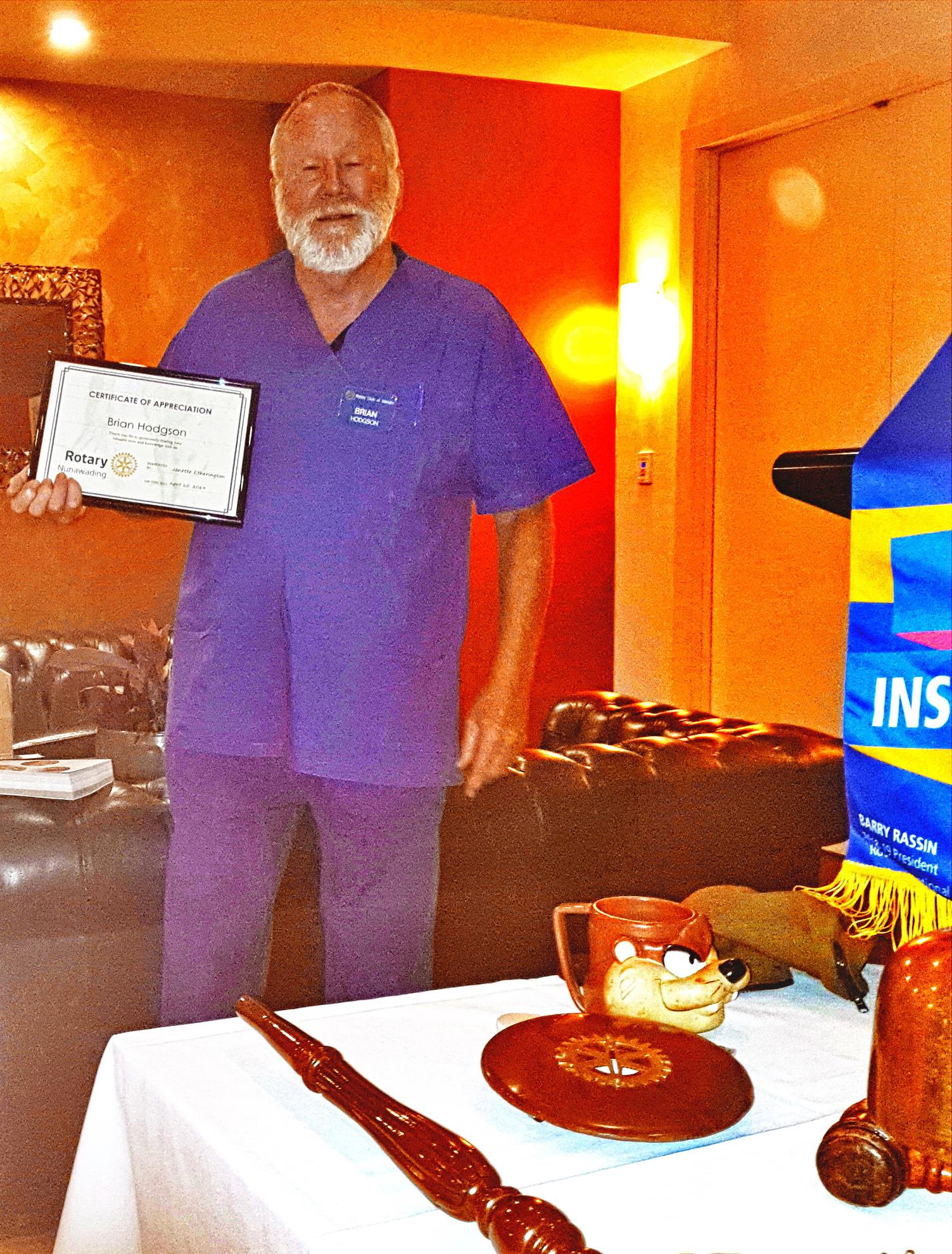
An inspirational presentation from Interplast Deputy CEO Cameron Glover and PP Brian Hodgson of RC of Wandin’s effort in support of Interplast teams in the Philippines.
ABOUT THIS PROGRAM
The program's objectives were twofold: to provide lifechanging plastic and reconstructive surgery to people living with treatable disability, and to build the local health system's capacity so they too can provide plastic and reconstructive surgery and post-operative care, safely and effectively, when lnterplast is not there.
The lnterplast volunteer surgical team was led by surgeon, Dr Kevin Ho, and was based at JR Borja
General Hospital in Cagayan de Oro. During the program/ 61 patient consultations took place and 58 surgical procedures were performed on 44 patients. All but one patient was treated for a cleft lip or palate.
The team worked closely with local ward and theatre nurses and provided training opportunities to build capacity. Local medical staff played a critical role in pre-screening patients prior to the arrival of the team.
A key feature of all lnterplast programs is the commitment to building sustainable medical outcomes for the communities we serve by investing in skill development and capacity building of local medical professionals in the following ways:
Clinical teaching took place continuously in theatre with a large team of local perioperative nurses. The team focused a lot on "time out", a process to ensure they have all the correct details of the patient, and the surgical safety checklist.
Plastic Surgeon, Kevin Ho, delivered a lecture to 49 local medical staff on the timing and types of cleft intervention as an introduction to cleft lip and palate surgery.
Anaesthetist, lain Stewart, also delivered a lecture to 49 local medical staff on managing the paeciiatric airway and anaesthesia.
Rotary Club of Wandin immediate Past President, Brian Hodgson, and Kevin Ho held a seminar at the hospital for local community health workers to increase awareness about cleft lip and palate, particularly regarding medical intervention. Pamphlets on cleft care were produced, translated and distributed to the 21 community health workers who attended. With their support, the information will be able to reach further and reduce barriers to receiving treatment.