
 | 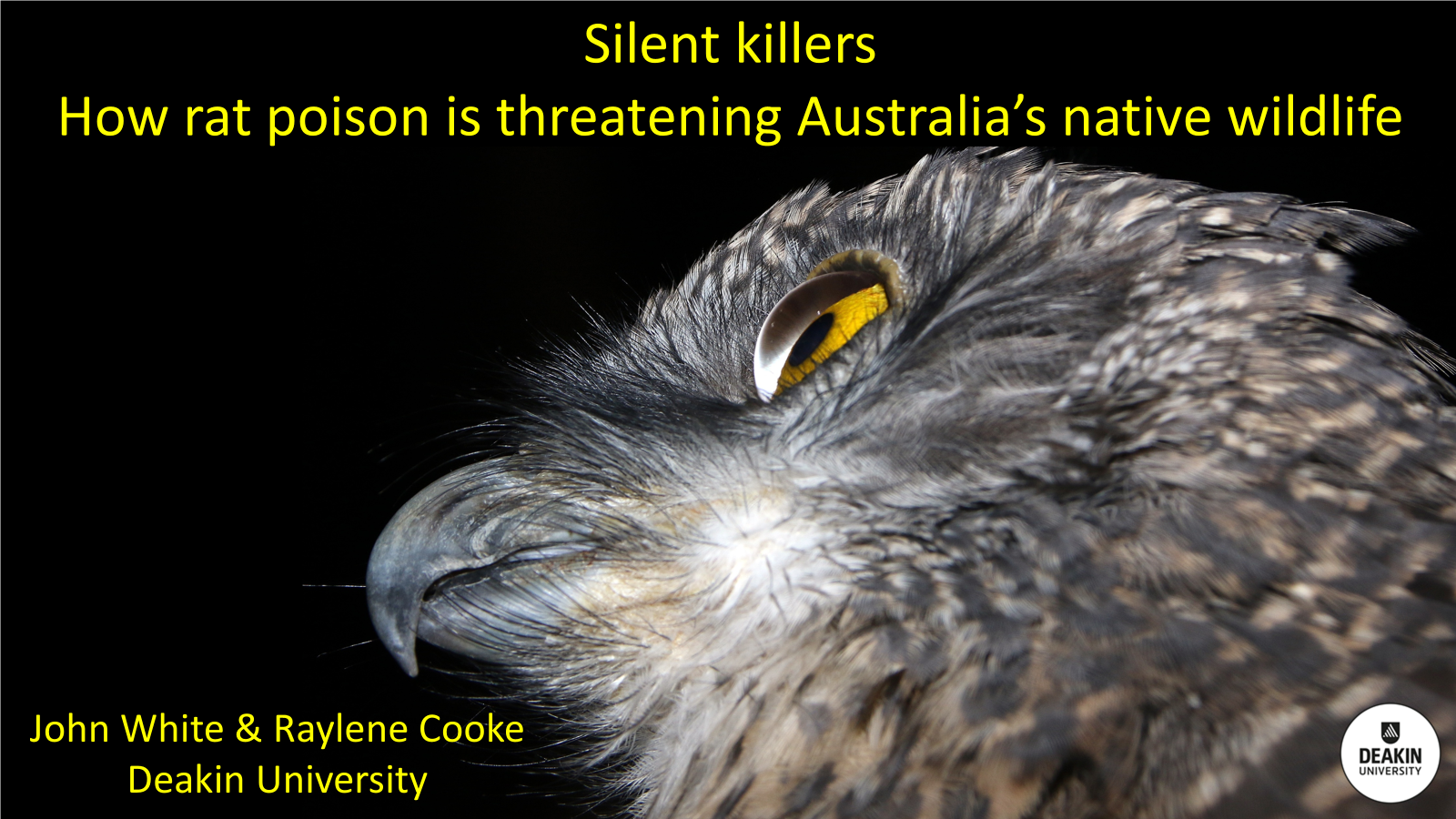 |
Second-generation anticoagulant rodenticides (SGARs)—commonly found in commercial and retail rat and mouse baits like Ratsak—pose a severe threat to native Australian owls and other wildlife.
How the Poisoning Happens
- Secondary Poisoning: When rodents consume SGARs, the poison stops their blood from clotting. Instead of dying immediately, the poisoned mice and rats become sluggish, disoriented, and easy to catch
- Bioaccumulation in Predators: Owls (such as Barn Owls, Masked Owls, and Powerful Owls) and other nocturnal predators like Tawny Frogmouths eat these poisoned rodents. The toxins build up in the owls' fatty tissues and livers over time, causing slow, agonizing internal haemorrhaging, neurological issues, or death by starvation or vehicle strikes.
- Widespread Impact: Studies across Australia show that a massive percentage of tested dead predatory and nocturnal birds (up to 92% to 100% in regional studies, including 83% of Powerful Owls and all tested Masked Owls) test positive for lethal or toxic levels of SGARs like brodifacoum.
Safer Alternatives and Prevention
- Switch to Owl-Friendly Control: Avoid over-the-counter SGARs. Instead, use physical snap traps (placed safely out of reach of wildlife) or live-capture traps; avoid sticky traps entirely.
- Manage Property to Deter Rodents: Seal gaps in buildings, store grain and pet food in heavy-duty sealed containers, secure compost bins, and clear away fallen fruit or dense garden waste that attracts rodents.
- Encourage Natural Predators: Support local owl populations by preserving native trees and installing nesting boxes. A single owl can consume up to 1,000 rodents a year.
Policy and Retail Actions: Campaigns by groups like BirdLife Australia have pushed the national regulator (APVMA) toward stricter retail bans on SGARs, urging hardware stores and supermarkets to pull toxic second-generation rat baits from shelves.