

 ASSYRIAN CULTURE
Ben introduced our speaker SARGON THOMAS .
Sargon is a second cousin of Susan Stennett and an active member of Melbourne’s Assyrian community. He is originally from Iraq and emigrated to Australia in 1992.He is quite political – head of Assyrian democratic movement - and ran in the recent council elections in Hume.
Time limitations meant that Sargon could only speak very briefly of the Assyrian empire (2025 BC to 609 BC) which spanned the periods of the Early to Middle Bronze Age through to the late Iron Age.
Assyria belongs to a part of the Middle East that is often described as
the ‘Cradle of Civilisation’ and today comprises parts of northern Iraq, Syria, Turkey and Iran. (I include a map from Wikipedia to help visualise the area). https://en.wikipedia.org/wiki/Assyria
The Assyrian people are an ethnic population native to the Middle East. They are predominantly Christian – being part of the original people to convert to Christianity in the Far East. They belong to several Christian denominations such as the Assyrian Church of the East, the Chaldean Catholic and the Ancient Church of the East.
After the Arab Islamic Conquest of the mid-7th century AD, those who resisted conversion to Islam were subjected to religious, ethnic and cultural discrimination, and had several restraints inflicted upon them. The Ottoman empire inflicted a genocide on the Assyrians during WW1, and many were compelled to flee to Syria and Iraq at that time.

Since the 2003 Iraq War tens of thousands of Assyrians in Northern Iraq have fled persecution at the hands of ISIS, which demands that Christians living under its control take down their crosses and pay the jizya, a tax on religious minorities. Those who do not pay face a choice between exile and death. ISIS has also attacked Assyrian villages, killing or imprisoning hundreds. ISIS also destroyed ancient Assyrian artefacts and all pre-Islamic relics they could access.
Sargon actually expressed relief that the Assyrians had been less than successful in repatriating treasured artefacts from museums and galleries all over the world. At least they survived the wanton destruction.
Assyrians have migrated to Australia since the 1950s. During the 1980s war between Iraq and Iran, large numbers of Assyrians fled Iraq and applied for refugee status. Assyrian-Australians have established various clubs, social organisation, churches and language schools. Representing only 0.13% of Australia's overall population, Assyrians are considered to be a successful minority group.

I researched the Assyrian empire and found it fascinating.
Check out https://www.britannica.com/place/Assyria and its links
Alternatively, a couple of youtube links :
For a simple overview the:
The rise and fall of the Assyrian Empire at https://www.youtube.com/watch?v=7pa54hWROpQ
However, I found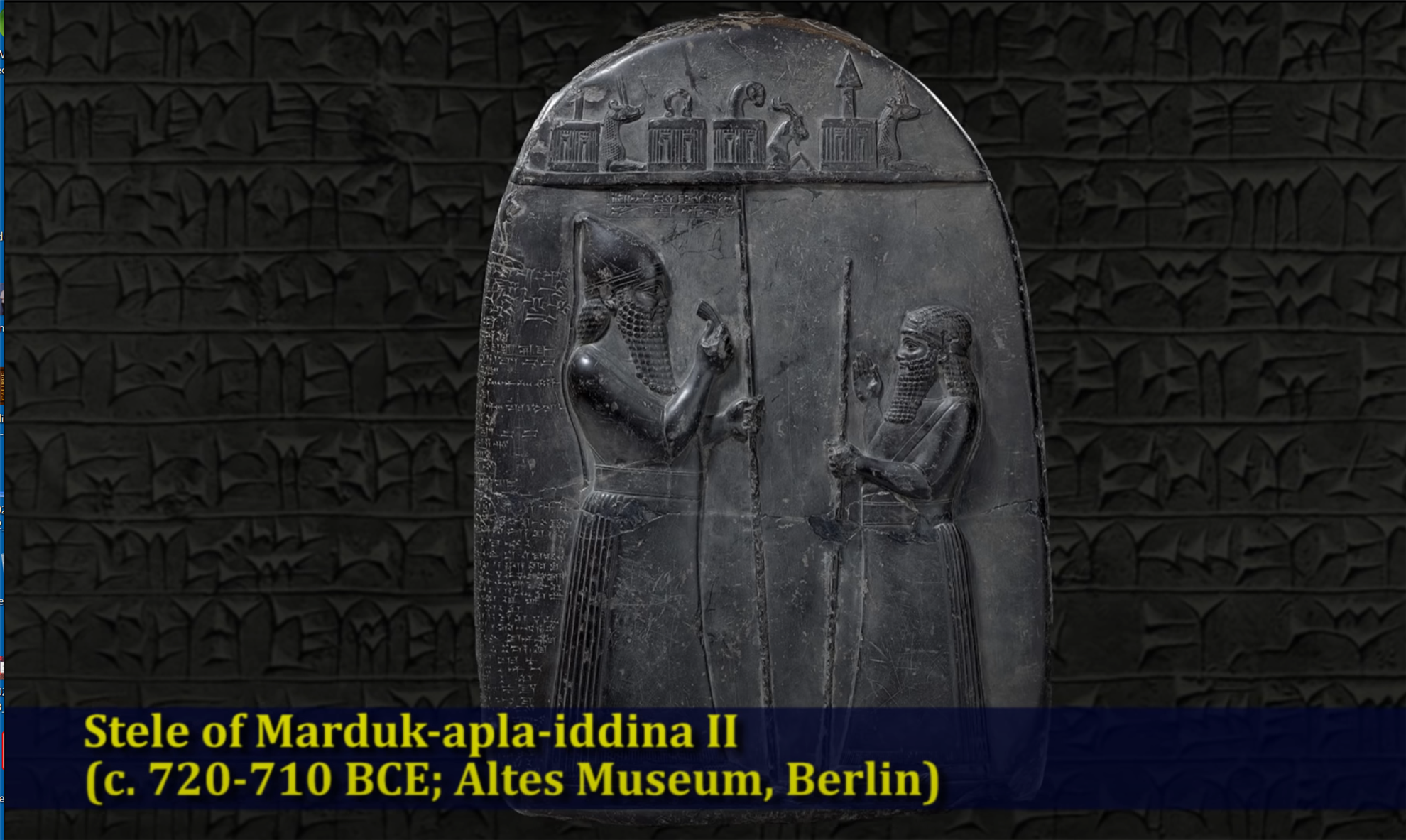
‘Concise History of Ancient Assyria and the Assyrian Empire’
set against a series of maps and beautiful sculptures, reliefs and steles to be absorbing. You will need nearly and hour to view it. Well worth the time, however .