

The mountain was named by the Polish explorer Paweł Edmund Strzelecki in 1840, in honour of Polish freedom fighter, General Tadeusz Kościuszko, because of its perceived resemblance to the Kościuszko Mound in Kraków, Poland.
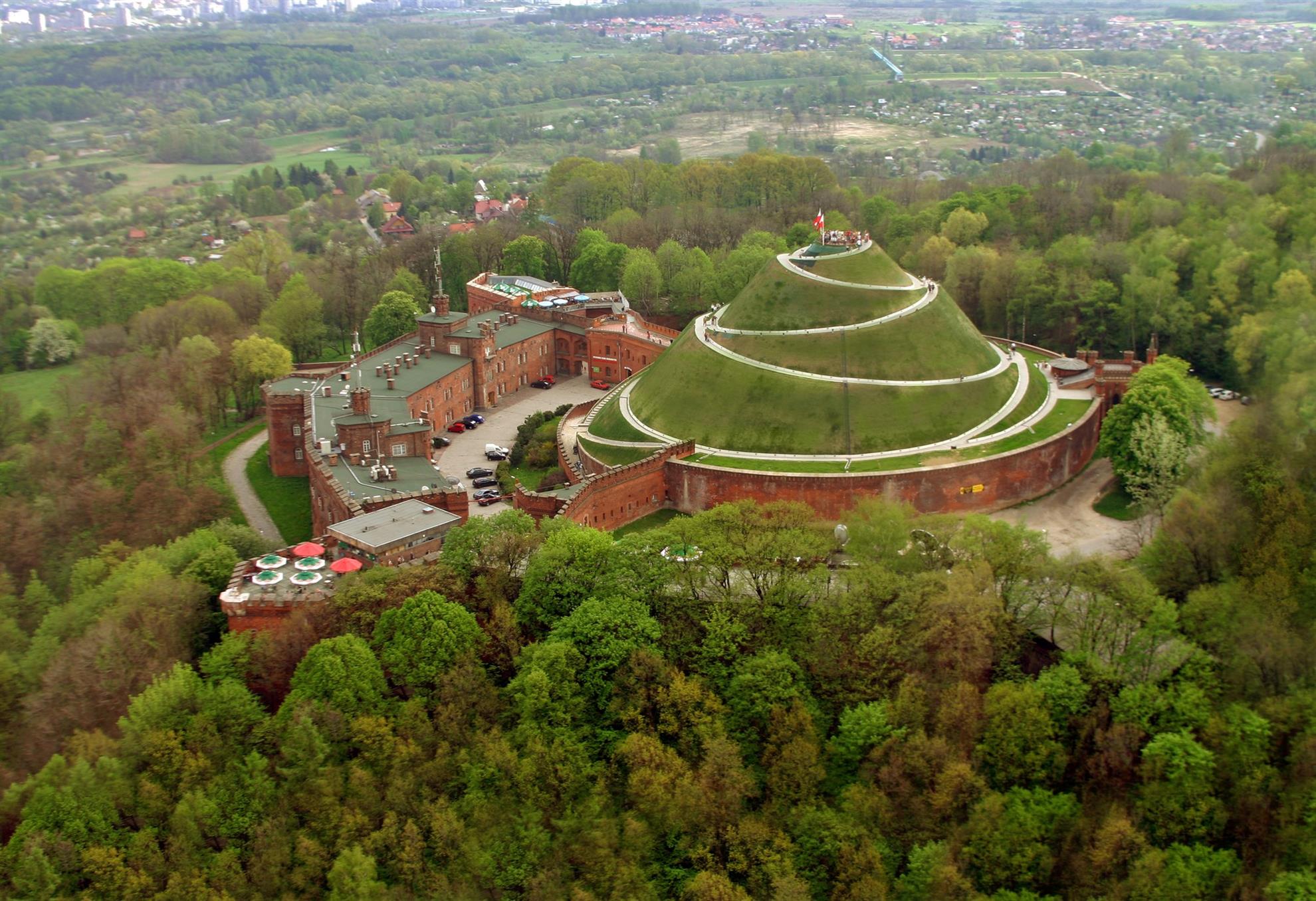
History produces few men like Tadeusz Kościuszko (1746-1817). Having fought with distinction in the American War of Independence before inspiring and leading the Kościuszko Insurrection against foreign rule in Poland, this relentless freedom-fighter was described by Thomas Jefferson as ‘the purest son of liberty that I have ever known.’ Upon his passing Polish authorities demanded his body be sent from Switzerland to be interred in the Wawel Royal Crypts. Such was the love for Kościuszko that the people proposed to honour him with a monument in the tradition of the prehistoric mounds and to make it the grandest in Kraków.
The city authorities began developing an artificial burial mound to be constructed atop Bronisława Hill. When construction began there was no lack of pomp and ceremony. First mass was held, followed by speeches; documents, heirlooms and artefacts from Kościuszko’s illustrious life were placed – as well as soil from his many battlefields, including those in America – before friends, statesmen and foreign dignitaries dumped the first wheelbarrows of dirt. For the next three years people of all ages from all over Poland brought soil from their villages to add to the mound. Though a committee was formed for its oversight, the work was all done voluntarily. Officially completed in November 1823, Kościuszko Mound stands 34 metres high.